Feet age with us. They remember every mile, every late sprint to catch a flight, every shift on concrete, and every Saturday spent at a kid’s soccer tournament. When something goes wrong, it does not just hurt, it shrinks a life. You skip hikes. You avoid stairs. You stop playing tag with your child because your ankle feels like it might fold. A smart partnership with a foot and ankle surgeon can change that trajectory. The goal is not only to fix what is broken, it is to restore durable function and set you up for the next decade.
I have spent years in exam rooms talking to patients who thought persistent foot aches were just part of getting older or part of being active. What they needed was a proper diagnosis, a clear plan, and a realistic sense of timing. With the right approach, even chronic issues give ground.
What a foot and ankle surgeon actually does
Foot and ankle surgeons are orthopedic or podiatric specialists who focus on the complex mechanics of the foot and ankle. The job is part detective, part engineer. We treat straightforward problems like ankle sprains and plantar fasciitis, and we also take on complex cases that have baffled multiple providers. If you are looking for a foot and ankle surgeon for chronic pain, nerve issues, mobility problems, or running injuries, you are not just signing up for surgery. You are getting full-spectrum care that starts with a granular evaluation and usually begins conservatively.
Patients often arrive asking for an MRI. Imaging can help, but the story comes first. Where does it hurt, exactly? Sharp ankle pain with stairs suggests one set of diagnoses, burning foot pain at night tilts in another direction. Numbness and tingling point toward nerve compression, including tarsal tunnel syndrome, while swelling in the foot with evening stiffness may suggest arthritis or tendon inflammation. A nuanced exam narrows these paths quickly.
Why small symptoms deserve big attention
A common pattern repeats: someone ignores a low-level ache for months, builds compensations, and ends up with a bigger problem. If you feel a clicking ankle, if the joint locks or gives way, if you notice foot stiffness in the morning that eases only after 20 minutes of movement, these are clues. Instability when walking is not just annoying, it changes gait and loads the knee and hip.
Consider a teacher who stands all day. She starts with foot fatigue and mild heel pain. She changes shoes and soldiers on. Six months later she has chronic heel pain, calf tightness, and reduced range of motion in the ankle. Her Achilles is now irritated because the foot is not absorbing shock well. The fix is no longer simple gel insoles. A foot and ankle surgeon for standing all day pain watches for these cascades early and builds a plan that breaks the cycle.
The evaluation: from feet to whole person
A thorough visit is equal parts listening and measurement. I ask about work surfaces, sports habits, and prior injuries. I check the spine and hips when the story suggests upstream drivers. I study the skin for callus patterns that reveal pressure points and foot imbalance. I perform a gait analysis right in the hallway, then a more detailed stance exam on a platform that maps pressure in real time. Advanced diagnostics come out only if needed, but when they do, they matter.
- X-ray is the first look for joint degeneration, alignment issues, bone spurs, or stress reactions. Ultrasound helps visualize soft tissue in the office and is ideal for dynamic tendon evaluation. MRI shines for cartilage damage, ligament tears, tendon ruptures, and subtle micro tears. CT helps define complex deformity or non healing injuries when the bone anatomy is not clear on X-ray. Nerve conduction studies confirm tarsal tunnel or other nerve compression if numbness and tingling do not have a clear mechanical cause.
These tools power precise diagnoses for everything from ankle arthritis pain to occult stress fractures. A foot and ankle surgeon for advanced diagnostics knows when each test changes management, and when it will not.
Biomechanics you can feel, not just read about
Feet should feel springy under load. When arches collapse with each step, the tibia internally rotates and the knee tracks differently. When arches are too high, impact does not distribute well and stress concentrates under the heel and fifth metatarsal. A foot and ankle surgeon for flat arches, high arches, or collapsing arches focuses on function first. I often sketch a quick diagram for patients, showing how a small change in foot posture can shift body weight by several percent to one side. Over ten thousand steps per day, that small tilt adds up.
Foot alignment issues show up in surprising ways. I have seen IT band pain resolve after a simple orthotic evaluation and custom insoles that corrected an ankle misalignment by just 3 degrees. For others, toe deformities from tight footwear cause subtle compensations that strain the plantar fascia. A professional eye looks beyond the sore spot to the system around it.
Specific problems, practical paths
Chronic plantar heel pain and plantar fascia tears Plantar fasciitis usually starts as morning stiffness and a knife-like jab in the heel with that first step out of bed. If ignored, micro tears form where the fascia anchors to the calcaneus. A targeted plan includes calf and plantar fascia mobility drills, taping or bracing as needed, shock absorption under the heel, and progressive loading to build tissue tolerance. For resistant cases, ultrasound-guided injections, focused shockwave therapy, or consideration of plantar fascia tears on MRI can inform next steps. A foot and ankle surgeon for heel spur pain distinguishes between incidental spurs and true fascia disease.
Achilles tightness and tendon issues Achilles tendinopathy presents as tight calves and ankles with pain that warms up and then bites later in the day. Mid-portion disease responds well to eccentric loading protocols when done precisely. Insertional problems near the heel bone need modified angles to avoid compressing the tendon. Tears and ruptures change the picture. A foot and ankle surgeon for tendon ruptures explains the pros and cons of surgical repair versus functional bracing, and sets a brutal-but-effective timeline for return to sport, typically 5 to 9 months depending on age and goals.
Ankle instability and ligament tears After the third ankle sprain, you have more than bad luck. Lateral ligament laxity, peroneal tendon weakness, and subtle proprioceptive deficits create recurring injuries. Functional rehab with balance work and progressive plyometrics helps, but persistent giving way suggests a torn ligament that has scarred long and weak. A foot and ankle surgeon for ankle instability uses imaging and stress tests to judge if bracing, biologic injections, or surgical stabilization gives you the best long term health.
Nerve compression and tarsal tunnel syndrome Burning foot pain, nocturnal tingling, and numb toes point toward nerve issues. Tarsal tunnel syndrome compresses the tibial nerve behind the ankle. Often, there is a mechanical trigger, such as swelling from overuse injuries or a ganglion cyst, but sometimes it is a narrow tunnel by anatomy. A foot and ankle surgeon for nerve issues uses nerve studies selectively and treats swelling first, then addresses culprits like flat arches that stretch the nerve pathway. When conservative care fails, decompression surgery can relieve pressure. Success depends on precise diagnosis and a well planned post surgery rehab protocol to avoid scar tissue issues.
Arthritis and joint degeneration Foot arthritis and ankle arthritis pain do not just belong to older adults. Athletes with past fractures or cartilage damage can develop early wear. A layered plan includes shoe modifications to reduce joint motion where it hurts, targeted injections, and strengthening around the joint to support load. For severe ankle arthritis, options range from fusion to total ankle replacement. Trade offs are specific. Fusion removes motion but often removes pain and lasts decades. Replacement preserves motion but requires careful patient selection and expectations around activity. Your surgeon’s job is to map these choices to your daily life, not to a generic ideal.
Stress fractures and bone spurs Distance runners, military recruits, and hikers see stress fractures when training ramps up too fast, footwear is wrong for the terrain, or there is underlying foot imbalance. Imaging and a smart return-to-run schedule make the difference between a six week pause and a season-ending saga. Bone spurs are often a symptom, not a diagnosis. They form where the body is defending against abnormal stress. Treat the stress, not just the spur.
Pediatric and teen sports injuries A foot and ankle surgeon for children foot issues and teens sports injuries thinks in growth plates and long arcs. Sever’s disease, a traction injury at the heel, masquerades as plantar fasciitis in kids. Rest and heel support help, and kids rebound fast if the training load is reasonable. For teen athletes with ankle pain when running, we consider bone stress, cartilage lesions, or subtle instability. The goal is to fix the problem and teach self management so the next growth spurt does not bring it back.
Workplace and lifestyle related pain If you are dealing with standing all day pain, daily activity pain, or occupational foot stress from hard floors and safety boots, small adjustments compound. Orthotic evaluation, different lacing techniques, and micro breaks to mobilize the calves can turn the tide. For weight related foot issues, we discuss load pacing and strategic conditioning that does not flare the joints. I would rather see a patient walk in water for three weeks while we settle inflammation than push through and lose three months to a setback.
Nonoperative care is not a consolation prize
People often worry that seeing a surgeon means signing up for an operation. In foot and ankle care, nonoperative management is not a second-class option, it is the foundation. Before we talk incisions, we refine mechanics.
Manual therapy and exercise prescription target specific deficits, not generic stretching. A runner with ankle pain on stairs needs tibialis posterior strength and controlled pronation, not only calf stretches. A hiker with persistent swelling after a sprain needs lymphatic work and timed loading to remodel the ligament. A gym enthusiast with overuse injuries might benefit from coaching on landing mechanics during box jumps more than from a brace.
Custom insoles are often misunderstood. Off-the-shelf inserts help some cases, but a foot and ankle surgeon for custom insoles and orthotic evaluation judges angle, stiffness, and posting with precision. The right insert shifts pressure away from hot spots and supports the chain up to the knee and hip. When inserts fix foot discomfort in shoes but pain returns when walking barefoot, we target intrinsic foot strength too, not just passive support.
Injections have a role but need judgment. Corticosteroids can quiet inflammation quickly, which matters for a firefighter who needs to get back on duty. They are not a cure if mechanics remain off. Biologics, like platelet-rich plasma, can help certain tendinopathies. Their results vary, and cost matters. A professional will tell you when the odds and evidence justify them, and when they do not.
When surgery makes life bigger again
Surgery shows up when structure cannot be rehabbed back to function, or when time has already been spent on a fair trial of conservative care. A foot and ankle surgeon for complex cases balances three variables: pain relief, durability, and how the procedure changes future options.
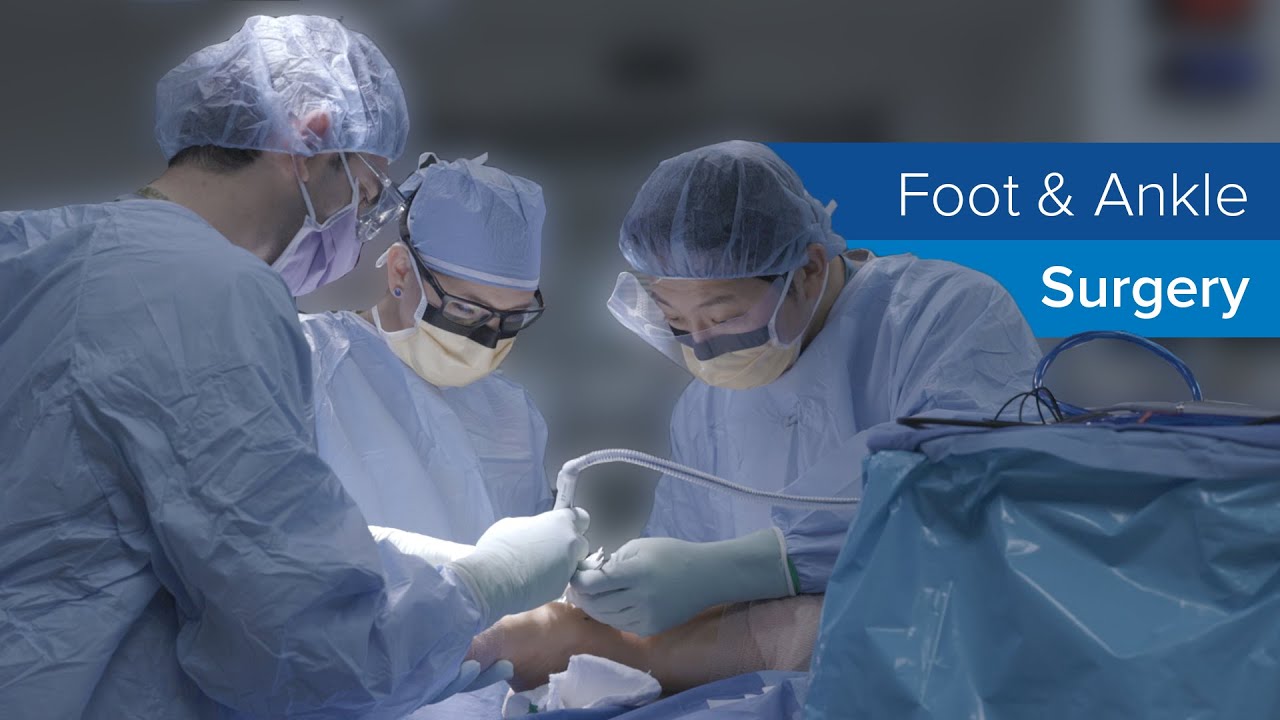
Common surgeries include ligament reconstructions for chronic ankle weakness, tendon repairs for acute ruptures, osteotomies to realign bones for foot deformities, and arthroscopies to address cartilage damage. Less common but critical operations address nerve decompression or fuse joints to stop end stage pain. If you landed here after a failed foot surgery, a detailed second opinion can map what is fixable and what new risks exist. Sometimes the next step is another operation. Sometimes it is a different rehab approach because the tissue never got the loading it needed to mature.
Expect honesty about timelines. A return to desk work after a minor procedure might be 2 to 4 days. A return to running after ligament reconstruction is usually 4 to 6 months in stages. Heavy labor or sport at full tilt can take longer. If someone promises the moon in a few weeks for a major reconstruction, be wary.
Rehab that respects tissue biology
Post injury recovery and post surgery rehab succeed when they match tissue healing curves. Bone likes compressive load once knit. Tendons love gradual tensile load with controlled speed. Cartilage tolerates motion before it tolerates impact. A foot and ankle surgeon for foot recovery plans sequences milestones and ties them to testable criteria, not the calendar alone. Can you do 25 single leg calf raises without pain? Can you hop forward and stick the landing three times in a row? These numbers matter more than the date circled on your fridge.
Gait correction without overcorrection
Foot posture correction and gait correction can creep into extremes if you chase a single metric. Too much arch support can shut down intrinsic foot muscles. Too little can prolong inflammation. Some people need a wedge for a few months, then wean and train the foot. Others need long term support because their connective tissue is lax or their arches collapse too much. The art is in adjusting to the person, not the diagnosis code.
Red flags you should not ignore
- Sudden ankle pain with an audible pop and immediate weakness, especially if pushing off is impossible. Numbness and tingling that climb above the ankle, or new foot drop. Persistent swelling and warmth after minor trauma that does not improve over 7 to 10 days. Night pain that wakes you, especially with a deep ache in the bone. Non healing wounds or skin breakdown on pressure points.
Urgent evaluation can prevent a small problem from becoming a life-altering one. A foot and ankle surgeon for unexplained foot pain will triage quickly, order the right imaging, and get you on track.
Training errors and the price they charge
Most overuse injuries trace back to load spikes. I once treated a recreational runner who jumped from 12 miles a Caldwell foot and ankle surgeon week to 30 in a month. By week three she had pain after exercise that crept into her daily walk, then non tender swelling, then a stress fracture. The fix was not only rest, it was a patient build back with strength targets and cadence work. For gym injuries, the common culprits are excess volume on plyometrics without landing coaching, or heavy lifts without ankle dorsiflexion to allow a good squat. Hiking injuries often appear after long descents, where eccentric load pounds the fronts of the ankles and the lateral ligaments with each step. Smart technique and pacing matter as much as footwear.
Footwear that works like equipment, not decoration
Shoes are tools. The right pair distributes pressure, supports alignment, and protects you from repetitive strain. The wrong pair creates pressure points and sets off inflammation. If you have ankle flexibility issues, a shoe with a mild rocker sole reduces the need for deep dorsiflexion. If you have a stiff big toe joint, a stiffer forefoot can offload pain. If your foot pain spikes when walking barefoot on hard floors, a cushioned house shoe can break the morning cycle of pain. A foot and ankle surgeon for orthotic evaluation can translate these principles into daily comfort.
Performance and longevity for athletes and active adults
A foot and ankle surgeon for athletes does not only see injuries. We fine tune. For a sprinter, 2 degrees of rearfoot posting in a custom insole can clean up a late-phase wobble that steals power. For a marathoner with recurring calf cramps, we discover that a tight soleus is driving compensation, and timed stretching with strength brings the stride back to neutral. For an active adult who wants to keep hiking well into retirement, we plan strength around the ankle and hip, and set rules for adding miles that respect tissue adaptation.
The elderly patient, steadier on their feet
Falls change lives. For elderly patients, foot strength problems and balance issues can be addressed. We use simple tools like a metronome for cadence drills, ankle bands for eversion work, and a home program that builds confidence. We check for ankle misalignment, chronic ankle weakness, and foot deformities that snare on carpets. A few clinic visits and a few months of habit can reduce fall risk in a measurable way. For those with foot arthritis, small rocker modifications, lightweight canes for bad days, and handrails where it matters combine to preserve independence.
Scar tissue, stiffness, and the quiet obstacles
Scar tissue issues after surgery or injury can glue down tendons and block glide. Gentle early motion matters in the right window. Later, targeted manual therapy and instrument-assisted techniques can help, but ham-handed aggressive work early can make things worse. Reduced range of motion after immobilization is expected. We earn it back with timed loading and patience. Ankle locking and clicking are not always signs of doom, but if they come with pain or swelling, they deserve an exam.
Preparing for your first appointment
- Bring your most used shoes and any orthotics. The wear pattern tells a story. List activities that trigger pain and those that feel fine. Specifics help. Note prior imaging or treatments, even if they did not work. Track when symptoms are worse, morning or night, and with what motions. Wear shorts or pants that roll up so we can see the ankle and calf.
These details compress the diagnostic timeline and move you faster toward relief.

The second opinion that clears the fog
Foot problems can be stubborn. If you are seeking a foot and ankle surgeon for a second opinion, especially after a failed foot surgery or persistent swelling that has not responded to care, arrive with imaging and operative notes if possible. A fresh set of eyes can catch missed alignment issues, overlooked soft tissue injuries, or nerve compression masquerading as plantar pain. Even when the plan is similar, a different explanation and a clearer roadmap often unlock adherence.
Long term habits that keep feet future proof
Long term foot health is not a mystery. It is consistency. Two or three short mobility sessions per week maintain ankle dorsiflexion. Strength sessions that include single leg balance, calf raises, and foot intrinsic work shore up the foundation for knees and hips. Regular foot checks catch skin changes and hot spots before they become ulcers or blisters. For weight related foot issues, small sustained changes in weekly activity matter more than heroic single workouts. For lifestyle related foot pain tied to long hours on hard surfaces, rotate footwear and use floor mats where possible.
A foot and ankle surgeon for preventative care is a partner in this process. We measure, prescribe, and adjust. We also say no to interventions that will not help, and yes to simple changes that will.
Cases that stay with me
A warehouse manager in his fifties came in with sharp ankle pain and recurring sprains. He had given up pickup basketball. Exam showed lax lateral ligaments and a subtle cavus foot creating uneven weight distribution. We tried bracing and targeted strength for six weeks. He improved, then plateaued. Stress testing and MRI confirmed a chronic ligament tear. We reconstructed the ligaments and adjusted his foot posture with custom insoles. At six months he was light on his feet again, with a 10 degree improvement in inversion control. He now plays twice a week and climbs stairs without gripping the rail.
A young nurse with burning foot pain, worse at night, assumed plantar fasciitis. Her nerve exam and ultrasound hinted at tarsal tunnel syndrome. We calmed swelling, adjusted her schedule briefly to reduce standing marathons, and used a night splint to limit plantar flexion that worsened nerve tension. Symptoms eased but lingered. Nerve conduction studies confirmed compression. We performed a decompression, and she followed a careful rehab to avoid scar bind. Three months later, she was sleeping through the night.

A high school distance runner dealt with pain after exercise that crept into daily life. She had a stress reaction in the second metatarsal. We pulled her from impact for four weeks, kept her engine with pool running and cycling, and rebuilt with a graded return plan. Along the way, we addressed foot posture and cadence. She returned to compete in the spring without recurring injuries.
The bottom line that gets you back to living
Feet carry your plans. If you are scanning for a foot and ankle surgeon for walking pain, ankle pain when running, or foot pain when standing, look for someone who starts with function, explains trade offs, and maps your care to your life. Whether you are an athlete, an active adult, an elderly patient hoping to avoid a fall, or a parent looking out for a child’s gait, the right evaluation and plan can restore not only motion but confidence.
Future proofing does not mean you will never get hurt. It means you build resilience, shorten recovery, and protect what matters. With clear diagnostics, personalized treatment plans, and steady habits, your feet can feel strong, stable, and ready for whatever you decide to do next.